Enterprise Penetration Testing Services (VAPT)

POWERED BY Powered by Temika Cyber TEMIKA CYBER

Uncover hidden vulnerabilities in your digital infrastructure before cybercriminals do. Our certified ethical hackers simulate real-world, sophisticated attacks to pressure-test your applications and networks, delivering actionable strategies to secure your enterprise.

Validate Security Standards with Authorized Attack Simulations

What We Do

Our certified testers will combine the manual and automated tools to do attack simulation and examine your system to uncover hidden vulnerabilities that could expose your organization to potential breaches. After that, we will provide reports that highlight identified vulnerabilities, along with their severity levels and recommended remediation strategies.

    • Scoping and Planning

    Defining the scope and objectives of testing such as target systems, applications, and network infrastructure.

    • Penetration Testing Execution

    Simulate real-world attacks through automated and manual tools to identify weaknesses and potential entry points for attackers.

    • Reporting and Remediation

    Expose identified vulnerabilities, their severity, and potential impacts along with recommendations for remediation to solve them.

Pentest Activity

Penetration testing step 01 activity
Penetration testing step 02 activity
Penetration testing step 03 activity
Penetration testing step 04 activity
Penetration testing step 05 activity
Penetration testing step 06 activity
Penetration testing step 07 activity

Penetration testing activities can be carried out in three different ways

White Box Testing testing approach illustration

White Box Testing

Full Knowledge

Tester is given complete information by the target, so that it can find out all the information to be tested including the internal system or source code.

Gray Box Testing testing approach illustration

Gray Box Testing

Some Knowledge

Testing is done with partial knowledge of the target to be tested such as using an account for testing.

Black Box Testing testing approach illustration

Black Box Testing

Zero Knowledge

The tester is not provided with information by the target, can only test the target from the outside.


Testing Targets

Common targets for penetration testing include

  • Mobile Application (Android & iOS) testing target icon

    Mobile Application (Android & iOS)

  • Internet of Things (IoT) testing target icon

    Internet of Things (IoT)

  • Web Application testing target icon

    Web Application

  • Thick Client / Desktop application testing target icon

    Thick Client / Desktop application

  • Network Infrastructure  (Wireless, Active Directory, VPN endpoint, email, etc) testing target icon

    Network Infrastructure
    (Wireless, Active Directory, VPN endpoint, email, etc)


Framework

Our penetration testing methods follow industry standards

  • NIST SP 800-115 framework logo

    NIST SP 800-115

  • Open Source Security Testing Methodology Manual (OSSTMM) framework logo

    Open Source Security Testing Methodology Manual (OSSTMM)

  • Open Web Application Security Project (OWASP) framework logo

    Open Web Application Security Project (OWASP)

  • Penetration Testing Execution Standard (PTES) framework logo

    Penetration Testing Execution Standard (PTES)

CVSS Risk Assessment methodology illustration

Risk Assessment

CVSS Common Vulnerability Scoring System logo

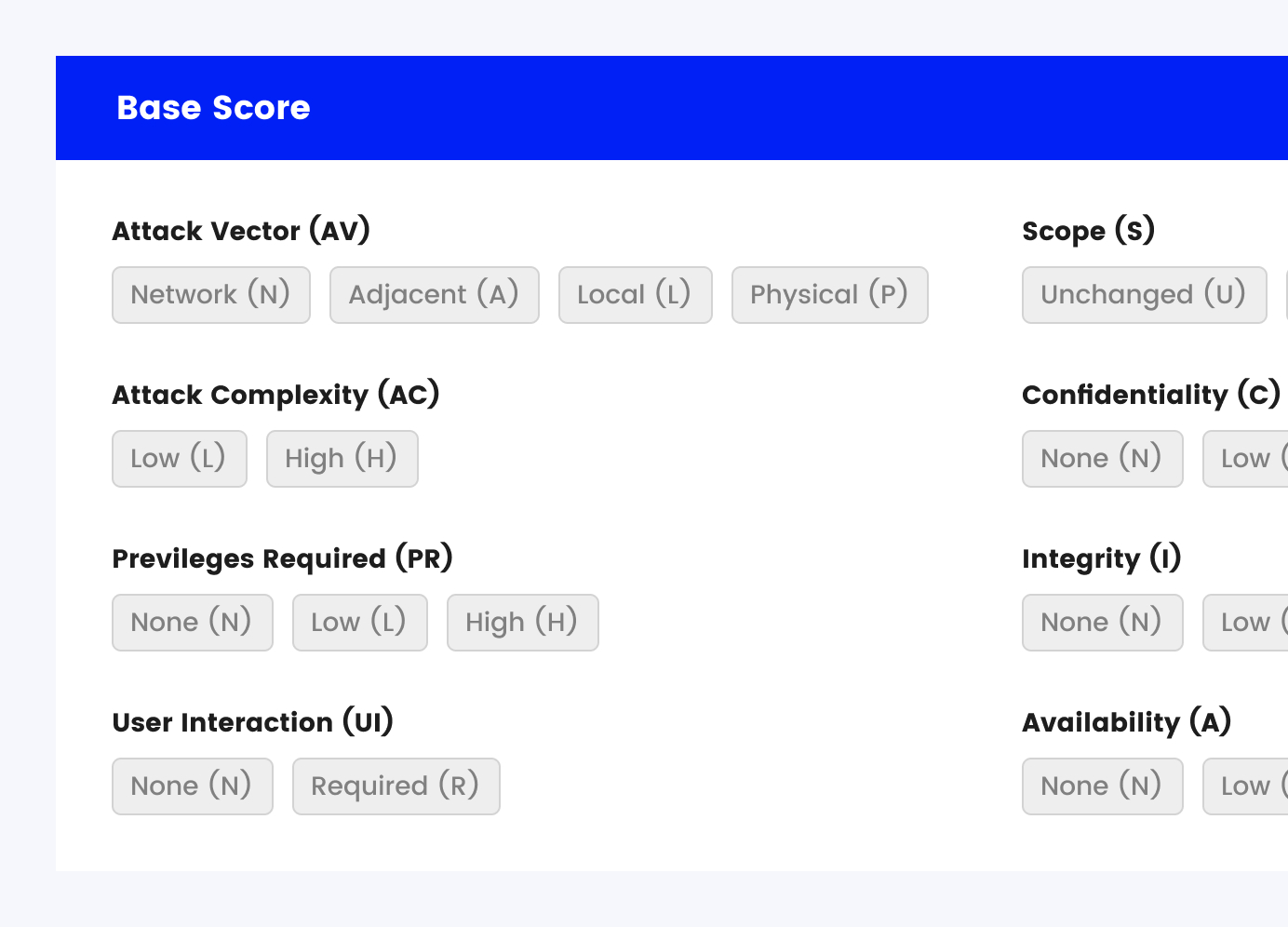
We conduct thorough risk assessments for every identified vulnerability using industry-standard scoring systems like CVSS. This process evaluates the severity, exploitability, and potential business impact of each threat, allowing you to prioritize remediation efforts effectively.

Mobile Application Penetration Testing


PENETRATION TESTING

Tools:

  • Burp Suite logo
  • Drozer logo
  • Frida logo
  • OWASP ZAP logo
  • Androguard logo
  • Inspeckage logo
  • MobSF logo
  • QARH logo

Potential Mobile Application

Common Vulnerability Findings

  • Obfuscation of Source Code

  • Encryption of Internal Storage

  • Insecure Logging

  • Root and Jailbreak Check

  • SSL Communication and Certificate Pinning

  • IDOR Vulnerability

  • Broken Encryption in Communication and Code

  • Authentication Bypass

  • Fraud Risks

Web Application Penetration Testing


PENETRATION TESTING

Tools:

  • Burp Suite logo
  • Nikto logo
  • Gobuster logo
  • SQLmap logo
  • Wireshark logo
  • Metasploit logo
  • Netsparker logo
  • Intruder logo
  • Nessus logo

Potential Web Application

Common Vulnerability Findings

  • Business Logic

  • Code Execution

  • SQL Injection

  • Clickjacking

  • Cross-Site Scripting (XSS)

  • CSRF & Information Disclosure

  • File Inclusion

  • File Tampering

  • File Upload

  • Weak Passwords

  • Directory Traversal

  • Host Header Attack

  • Accessible Database Found

  • Git Repository Found

  • Accessible Admin Page Found

  • LDAP Injection

  • Apache Exploit

  • PHPinfo Page Found

  • Application Error Message Disclosure

  • Backup Data Found

  • File Manager Script Exploit

Infrastructure Penetration Testing


PENETRATION TESTING

Tools:

    • Aircrack-ng logo
    • Nessus logo
    • Nmap logo
    • THC Hydra logo
    • Cobalt Strike logo
    • Hashcat logo
    • Metasploit logo
  • CrackMapExec logo

Network Infrastructure Testing

  • Internal icon
    • Internal

      This internal infrastructure test looks for security issues and vulnerabilities in the network. This could reflect an insider threat, such as an employee intentionally or unintentionally carrying out a dangerous act.

  • External icon
    • External

      Testing external network infrastructure connected to the Internet such as firewalls, VPNs, web servers, mail servers, ftp servers, etc.

Potential Infrastructure

Common Vulnerability Findings

  • Default Passwords Used in System, OS, and Database Accounts

  • Weak Passwords Used in System, OS, and Database Accounts

  • No Password Used in System, OS, and Database Accounts

  • Remote Exploits on Windows Server and Client

  • Local Exploits on Linux/UNIX Server and Client

  • Obsolete Version of OS/Application/Service/Plugin

  • Missing Patches on OS/Application/Service/Plugin